Well-Being Is Part of the Work
By Albert'nique Howard, Programs Director
If you work in youth-serving programs, you already know this truth: you cannot pour from an empty cup. Our staff show up every day ready to support children's social-emotional growth, navigate complex family dynamics, and keep the energy high in a room full of kids who need them. That kind of work is deeply rewarding — and deeply demanding.
As program leaders, we have a responsibility that goes beyond curriculum and compliance. We have to take care of our people. At Wings for Kids, we've made staff well-being a real priority, and I want to share some practices that have made a meaningful difference for our team. My hope is that something here resonates with you and your programs, too.
Create Space to Exhale
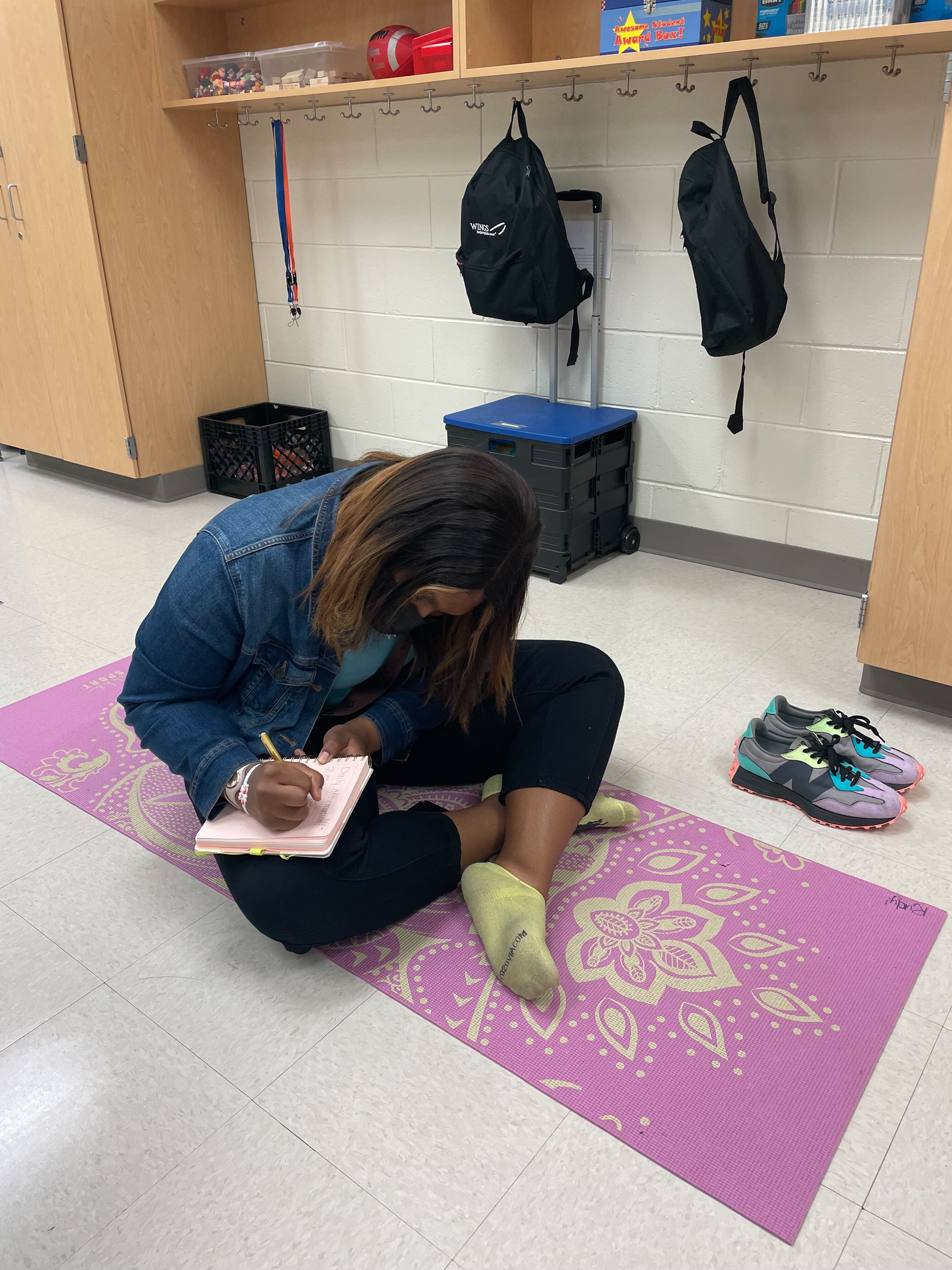
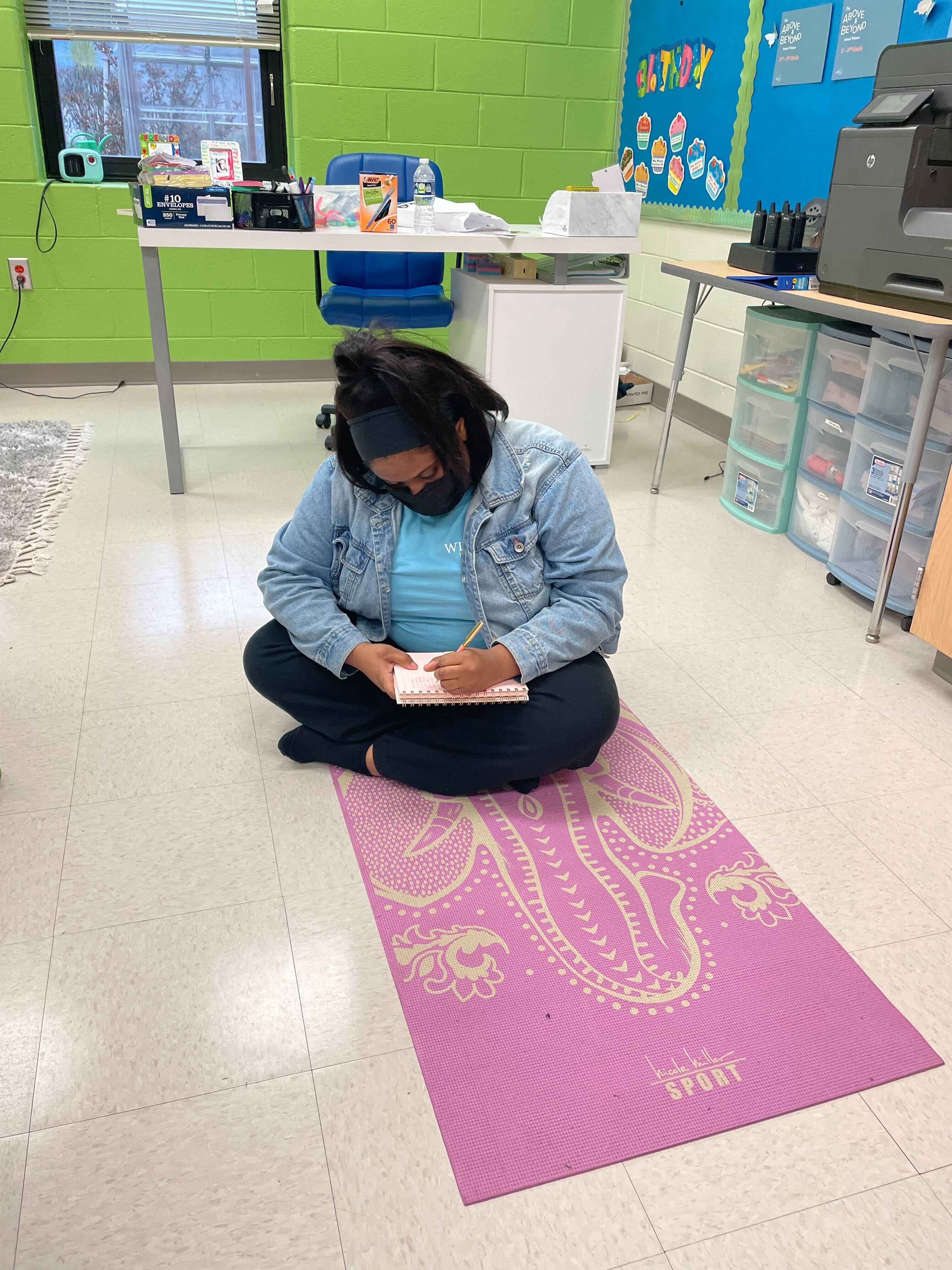
Before staff can engage kids, they need a moment to transition out of whatever they walked in with — traffic, a hard morning, a difficult phone call. We've been intentional about creating space for staff to reset, relax, and practice mindfulness — weaving these moments into the rhythm of our work together. This has looked different across teams and gatherings: from guided breathing exercises and short meditation breaks, to movement moments before meetings, journaling prompts to start the day, and one of my personal favorites, a mini sound bath at the start of team gatherings. In these moments, the room shifts. Shoulders drop. People arrive.
You don't need to be a wellness expert to lead something like this. You just need to signal to your team that their well-being matters before the work begins. That signal alone builds trust.
Move Together
We've also incorporated short yoga and stretching sessions into staff meetings and professional development days. Nothing elaborate — even ten minutes of guided movement can break up the mental fatigue that comes with a long week. Movement reminds us that we're whole people, not just brains solving problems.
There's also something powerful about being a little vulnerable together. When a seasoned program coordinator attempts a challenging yoga pose next to a first-year staff member and they both laugh, that's a relationship being built. Team cohesion is a well-being strategy, too.
.jpg)
Make Learning Feel Like play
Here's one that staff consistently love: Jenga with a programmatic twist. We write reflection prompts or scenario-based questions on each Jenga block — things like "Name one SEL strategy you've used this week" or "What's a challenge you're facing with a student right now?" As staff pull blocks, they answer questions and a conversation unfolds naturally. It's low-pressure, it's fun, and it generates the kind of honest dialogue that a formal debrief rarely does.
Games like this remind your team of something we tell kids all the time — learning is more effective when it doesn't feel like a chore. The same is true for adults.
A Few Things To Keep In Mind
Well-being practices only work if they're consistent and genuinely valued — not just checked off a list. Here are a few guiding principles I keep coming back to:
- Ask your staff what they need. Don't assume. A quick survey or casual conversation goes a long way.
- Protect the time. If well-being moments get cut when things get busy, staff will notice. Guard that time.
- Model it yourself. When your team sees you breathing, stretching, or playing Jenga without your phone in your hand, they believe it's real.
The kids we serve deserve staff who feel supported, seen, and energized. When we invest in the well-being of our teams, we're ultimately investing in the kids they show up for every single day.
Let's keep taking care of each other.