The Quiet Storm: How One Child's Journey Shows the Power of Afterschool
By Julia Rugg, CEO, Wings for Kids
Some children carry storms behind their eyes. Invisible turmoil—confusion, hurt, and misunderstanding hiding beneath a surface others mistake for defiance or disinterest. These are the children who slip through cracks, who are defined by limits instead of potential, who need someone to ask not "What's wrong with you?" but "What's going on with you?"
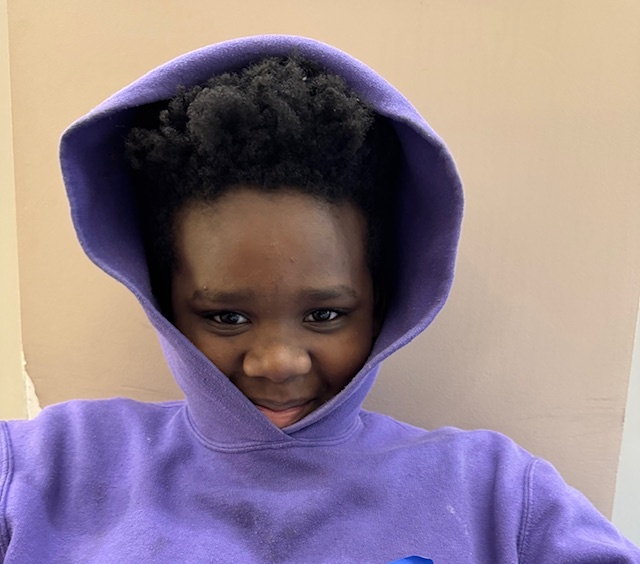
Michael was one of these children.
When Labels Become Limitations
Three years ago, Michael joined Wings for Kids at the Arthur W. Christopher Community Center carrying more than just a backpack—he carried years of being misunderstood. Teachers mistook his confusion for defiance, classmates saw his struggles as differences, and he started to think something was wrong with him.
Michael faced what many kids do: bullying, undiagnosed learning obstacles, a challenging home environment, and the pain of feeling unseen by the adults around him. In other programs, he was treated like a problem. But kids aren’t problems—they’re people with stories, challenges, and potential just waiting to be supported.
The Power of Consistency and Care
Afterschool programs have a unique advantage: time. While classroom teachers do incredible work under tight schedules and growing demands, afterschool programs can slow down, focus on the whole child, ask different questions, and build the kind of trusting relationships that help deepen efforts made during the school day.
At Wings for Kids, Michael didn't just find a place to spend his afternoon hours—he found consistency. Program staff showed up every day with the same message for Michael: 'You matter. You belong. You can grow.' Their constant support and encouraging environment helped him start to believe that message for himself.
This consistency created a breakthrough: safety. Not just physical safety, though that mattered too, but emotional safety—the kind that allows a child to lower their defenses, to be vulnerable, to try and fail and try again without fear of judgment or abandonment.
“Research consistently shows that children who receive high-quality social and emotional support are less likely to experience mental health challenges, more likely to graduate from high school, more likely to pursue higher education, and more likely to become productive, contributing members of society. The investment we make in programs like Wings for Kids pays dividends not just in individual lives transformed, but in communities strengthened.” - Julia Rugg, CEO, Wings for Kids
The Adults Who Make the Difference
Behind every success story like Michael's are skilled, caring adults who understand that their role extends far beyond supervising homework or organizing activities. These are professionals trained in social emotional learning, trauma-informed care, and child development—people who recognize that a child's behavior is their biography, and who respond with curiosity rather than criticism.
Michael's transformation didn't happen overnight, and it didn't happen through worksheets or lectures. It happened through patient, skilled adults who understood that behavior is communication, that "acting out" often means looking for guidance and support, and that the path to academic success often runs straight through emotional wellness.
These adults create environments where children feel seen, heard, and valued. They ask powerful questions, celebrate small victories, and provide the steady presence that many children lack in other areas of their lives. They understand that transformation takes time, that setbacks are part of growth, and that every child—especially those who seem most challenging—has unlimited potential waiting to be unlocked.
Teaching Hearts, Not Just Minds
Social emotional learning is essential for all kids and adults—but especially for kids like Michael. When school feels too hard because of unseen learning challenges, when home life is unstable, and when friendships are tough, kids need more than just lessons from a textbook—they need skills to help them cope and thrive.
The skills Michael learned—self-awareness, relationship building, responsible decision-making—are the same skills that will serve him throughout his life, in future relationships, careers, and his own role as a community member and perhaps someday as a parent. Using consistent skill-building tools like Reset & Relax and Control Check, paired with daily program rituals like Heys & Praise and Community Unity, Michael could practice his newfound skills in real time.
Bit by bit, Michael learned to identify and name his emotions instead of being overwhelmed by them. He developed concrete strategies to manage frustration instead of stuffing it down, to ask for help when he needed it, to persist when things got difficult. Most importantly, he learned to see himself not as broken or defiant, but as a young person with challenges that could be overcome and strengths that could be built upon.
The Question That Changes Everything
Michael's transformation began with a simple shift in questioning—from "What's wrong with you?" to "What's going on with you?" This isn't just a change in words; it's a fundamental change in perspective that recognizes children as complete human beings with stories, struggles, and strengths.
As Michael's confidence grew, he transformed from a child who once felt like an outsider—struggling to express himself in healthy ways—into someone who spoke up in group discussions, welcomed newcomers, and became a source of support for others.
The quiet storm once hidden behind Michael's eyes has transformed into a steady light—a beacon for other children who need to know that they too belong, they matter, and they can become the best versions of themselves.
An Investment in Tomorrow
Every child who walks through the doors of an afterschool program carries a story. Some stories are filled with joy and stability; others, like Michael's, are marked by challenge and uncertainty. But every single story has the potential for transformation when met with skilled, caring adults and evidence-based social emotional learning approaches.
Michael's journey from a misunderstood child carrying invisible storms to a confident young leader offering support to others represents more than individual success—it represents hope. Hope that with the right support at the right time, any child cannot just survive but thrive. Hope that when we invest in children's social emotional development, we're investing in stronger families, communities, and futures.
In a world that often focuses on what's wrong with our children, programs like Wings for Kids dare to ask what's possible. And as Michael's story shows us, the answer is: everything.
Want to help kids like Michael thrive? Find out how you can get involved.