The Hidden Resume Builder: What WINGS Leaders Gain on the Job
By Nicole Lovecchio, Chief Learning Officer
Every summer, as our programs pause and our team turns its attention to planning for the year ahead, I find myself reflecting on the people who make Wings for Kids work. Not just what they do for our kids, but what this work does for them.
I've spent my career in learning and development, and can confidently say that the skills WINGS Leaders build on the job are among the most valuable and transferable in today's workforce. That's the story I think deserves a lot more attention.
We ask a lot of our staff. On any given day, a WINGS Leader leads a social-emotional skill-building lesson, reads the room, redirects behavior, makes multiple split-second decisions, and does it all with warmth and intention. It's complex work that takes skill, experience, and heart.
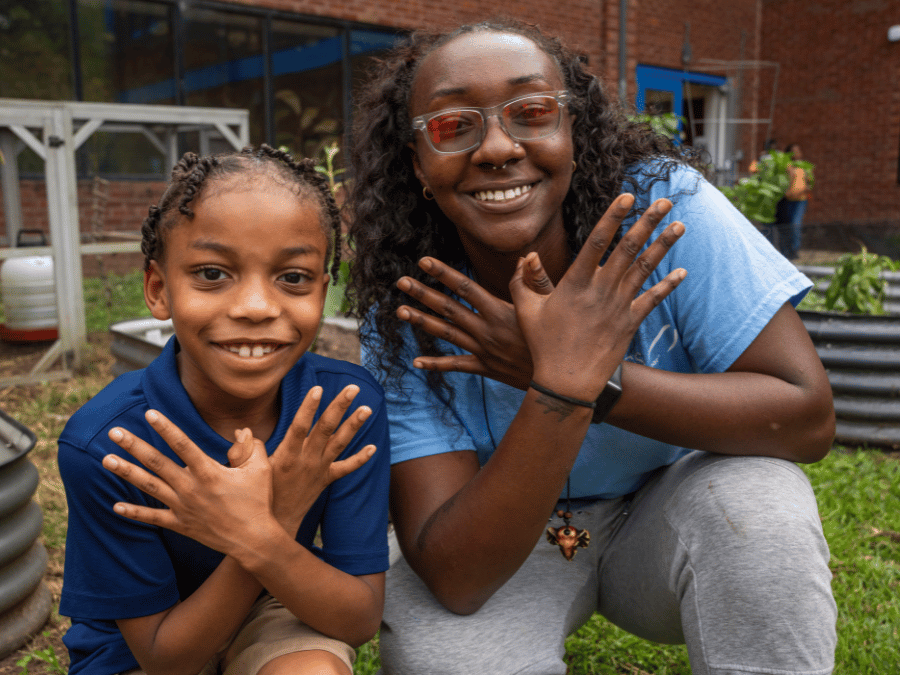
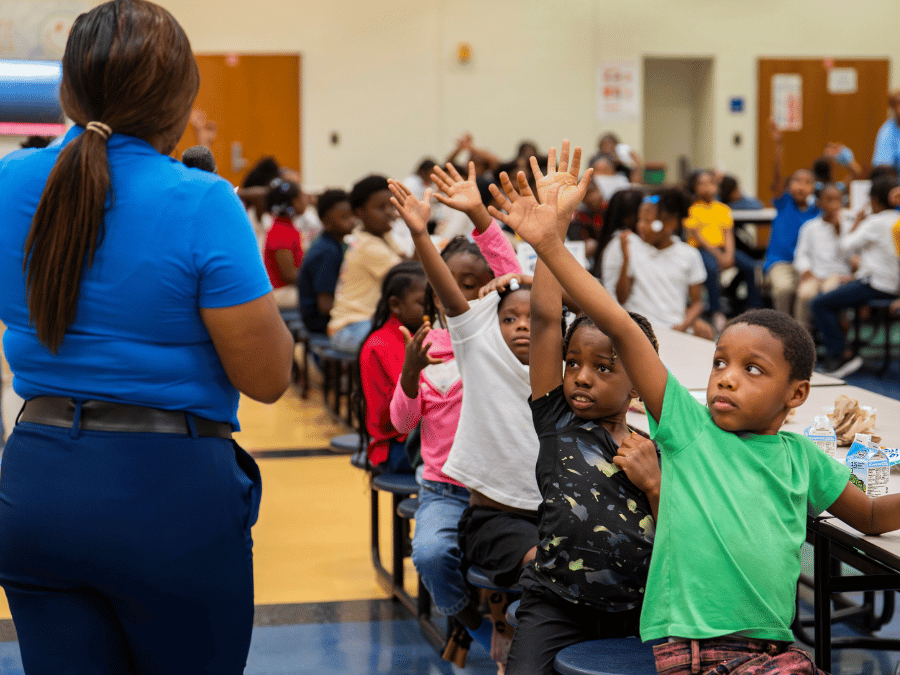
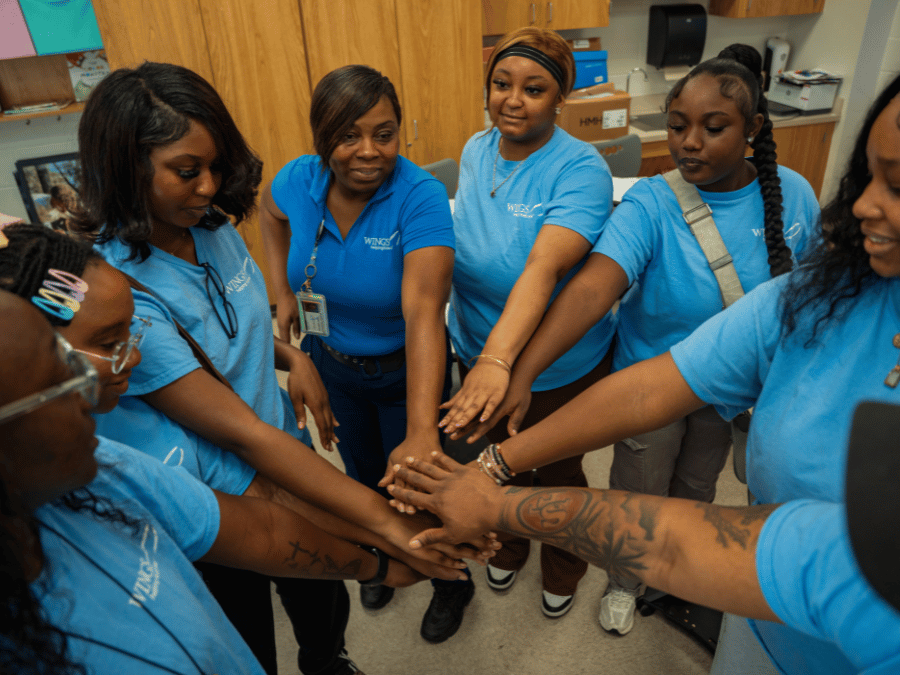
Facilitation is a career superpower. The ability to hold a room, to guide a group through structured discussion, draw out quieter voices, and keep things on track is something many adults spend years trying to develop. Our staff do it daily, often with the most challenging audience imaginable: kindergartners through fifth graders at the end of a long school day. The confidence and presence that comes from that experience translates directly to meetings, classrooms, training rooms, and boardrooms.
Emotional intelligence is having a moment. Employers are looking to hire people who can communicate effectively, work well with others, and stay calm when challenges arise. Every day at WINGS, our Leaders build relationships, work through conflicts, collaborate with teammates, and adapt when things don't go as planned. These aren't skills learned in a one-time training or a manual. They develop over time through practice, reflection, and experience.
Behavior management and de-escalation are high-value skills. One of the things I'm most proud of at WINGS is how we train staff to redirect behavior using proactive strategies, non-verbal signals, calm tones, and connection-based approaches rather than punishment. Those skills are directly applicable in education, social work, counseling, healthcare, management, and more.
Adaptability is built in. No two sessions at WINGS are the same. Schedules shift, kids arrive with whatever mood the day's events have put them in, and staff have to adapt in real time. Our Leaders learn how to adjust when things don't go according to plan, and that kind of flexibility is exactly what today's employers say they're looking for.
If you want to make a real difference in your community and are looking for a role that challenges and grows you professionally, don't underestimate what a career in youth development can offer you. You won't just be showing up for kids; you'll be building the kind of skills, confidence, and professional identity that will carry you through wherever your career takes you. The patience you'll practice, the group lessons you'll facilitate, and the kids you'll impact every afternoon all add up to something that will show up on your resume and in your work long after you've moved on to your next chapter.
At WINGS, we're not just investing in kids. We're investing in the people who show up for them. I believe that investment pays it forward in more directions than we can count.